What’s true for nations is also true for individuals: the old rules no longer apply.
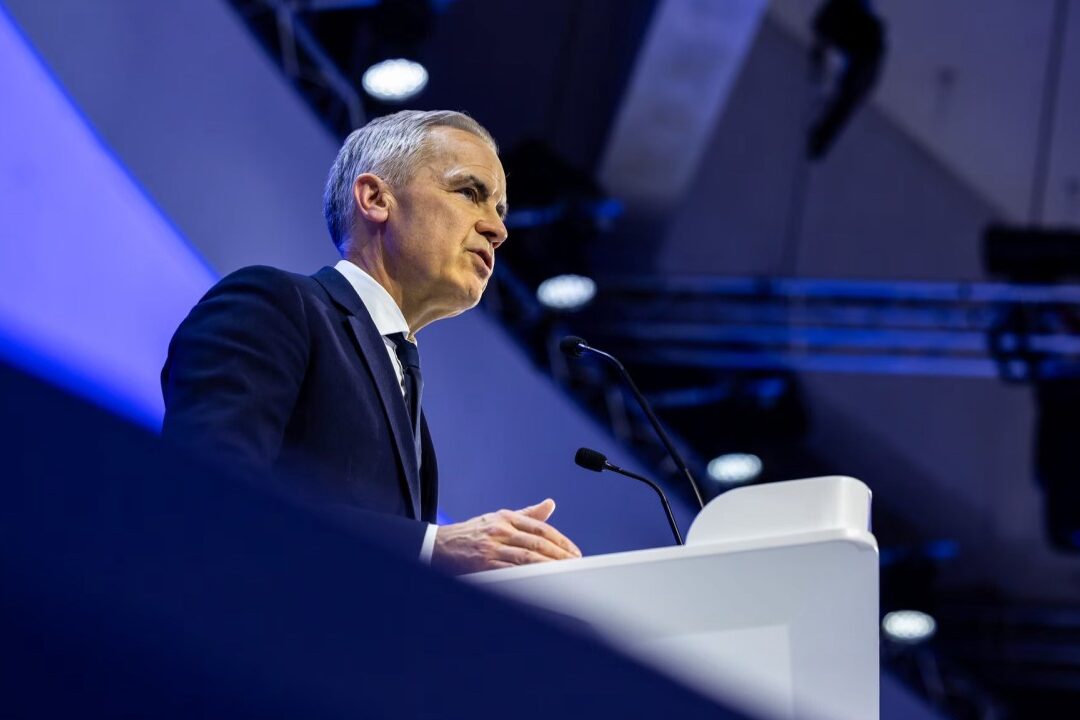
At Davos this month, Canada’s Prime Minister Mark Carney named a global rupture. The same forces are reshaping our careers and, by extension, our identities.
Too many of us avoid discomfort by acting as if our job won’t be affected. But stepping into that discomfort is the only path forward.
The Problem
Mark Carney’s January address ‘Principled and Pragmatic: Canada’s Path” laid bare the new global reality: a fading rules-based order and emergence of great power rivalry. After naming the rupture he shared options, declared Canada’s path, and invited other nations to join him. A link to full text of his address is available in the first comment below.
Themes in the speech can be applied on multiple levels: national, organizational, and individual, which I’d like to explore.
Like the global rupture Mr. Carney describes, the rapid pace of change affecting us all can feel overwhelming. Social and economic instability, rapid technology advancement in AI and robotics, and the imminent impacts of climate change combine to feel like a rupture in the world where we work and live.
Fear and complacency tempt us to hope things will go back to normal. They won’t. As Mr. Carney asserts: “nostalgia is not a strategy”. As change accelerates, even previously stable jobs in knowledge work are being disrupted. On a personal level, so is our identity.
The Approach
The title of the Davos address offered two starting points: being principled and pragmatic.
For individuals, turbulent times require us to slow down and reconnect with our principles. What values do you hold dear? What bigger goal do you aspire to? What strengths do you possess? Self-reflection grounds us in who we are, that unique identity that lies beneath the surface of a job title.
Turbulent times call us to become pragmatic, recognizing the disruption across industries and disappearance of our jobs. Those are no more likely to return than the video store or the milkman. Clarity allows us to focus on the capabilities that technology cannot replace yet.
Knowledge of ourselves and our situations becomes the foundation on which we can build. The next steps Mr. Carney suggested for nations apply to individuals, too.
The Call to Action
Just as countries must build strength at home, individuals must build capabilities for the new world. Being a lifetime learner is no longer just a good strategy, but an imperative. We each need an inventory of our existing skills and a plan to grow new ones, informed by our interests, strengths, and the needs of the new economy.
And just as countries must act together, individuals must connect with like-minded people. A supportive network nurtures our growth. Partnering with people holding complementary skills enables collaboration, while going it alone is risky.
A final ingredient is learning to manage change. How do you stay focused amidst distractions, measure progress in uncertainty, and pivot when necessary, all while maintaining an optimistic outlook? Self-management and navigational support will make a more successful journey.
By addressing the present with a principled and pragmatic approach, we can step forward into the future with confidence. It is a path wide open to anyone who chooses to take it.
How I can help
I chose a path to grow my change management and coaching skills in 2024. If a thought partner can help you navigate your unique path, reach out for a conversation. And please share the possibility with colleagues who will benefit.